

This fall, Sami Aaron of The Resilient Activist came to talk with our counselors at Prairie Sky about what climate change is doing to our mental health. She spoke about climate anxiety and climate grief. She spoke about young people lying awake at night, carrying the weight of a planet they fear is coming apart.
I listened as a colleague and as an executive director. But underneath, I was listening as the young woman I was forty years ago.
I know that terror. I have lived inside it. At times, I still do. And the summer it first took hold of me, it didn’t stay in my mind. It moved into my body.
As a first-year student at Oberlin College, I was exploring Environmental Studies as a major. I joined the campus chapter of the Ohio Public Interest Research Group. I took courses that opened my eyes to what we were doing to the land and the water. I visited an Amish farm in Holmes County and glimpsed another way of living with the earth. The summer after my first year, I came home and canvassed door to door for Greenpeace. I was hell-bent on saving the world.
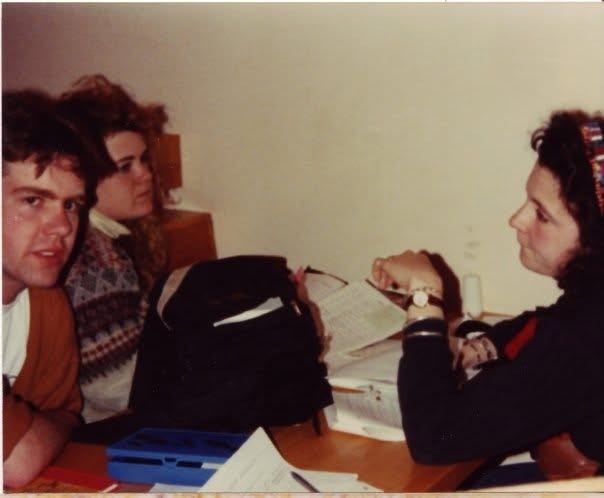
My sophomore year was hard. Really hard. I was lonely in a way I didn’t have words for, and the loneliness was slowly deepening into something heavier. By the end of the year, things were bad enough that my parents were close to driving to Ohio to bring me home.
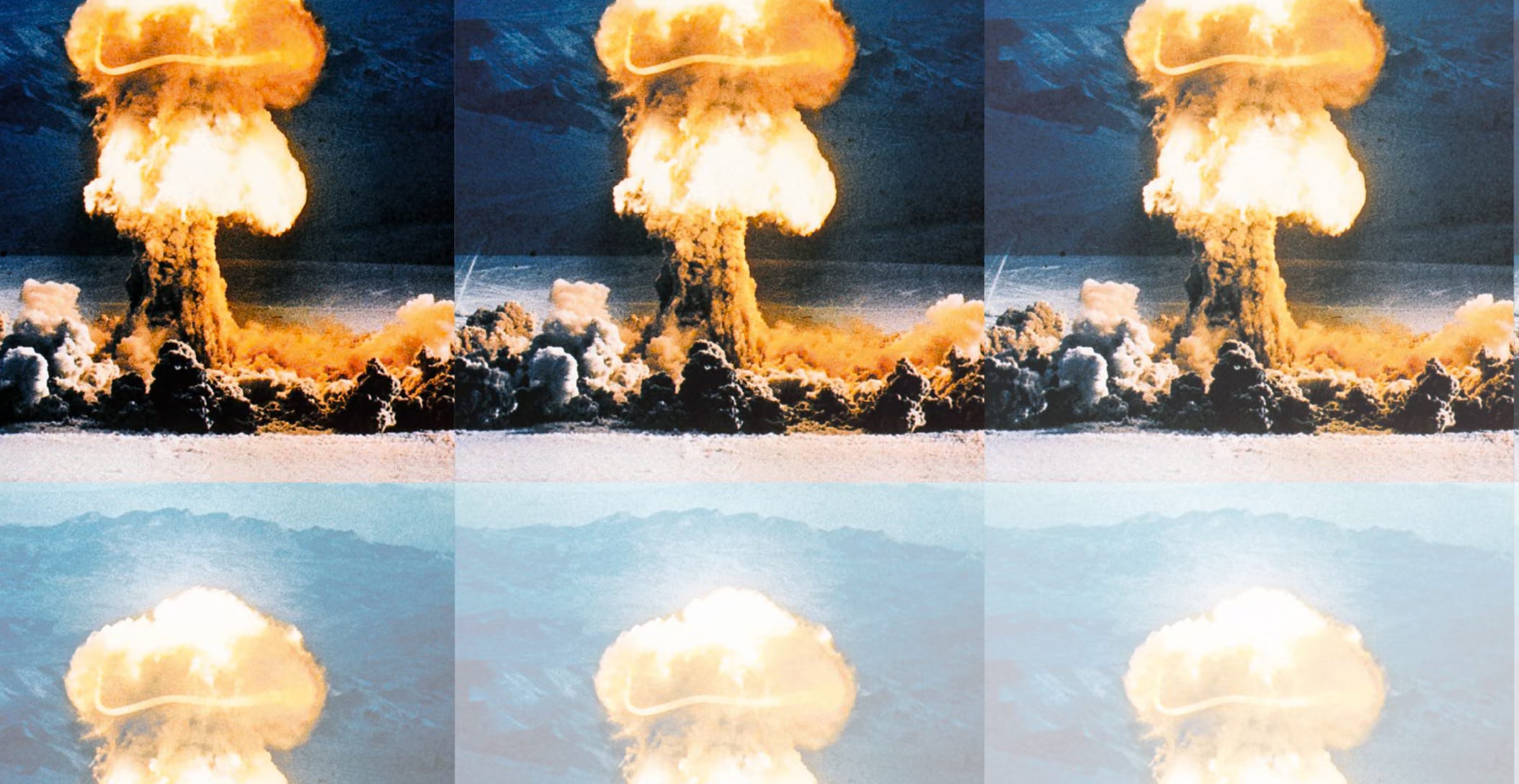
That summer I read Jonathan Schell’s The Fate of the Earth, his account of what nuclear war would do to the planet and to us. I have no idea why I thought reading that book would be helpful to me at that particular time.
I was a child of the duck-and-cover years. At school we practiced hiding under our desks during nuclear attack drills. There were also tornado drills. With those, I could imagine we would survive the winds that flatten everything. But even as a first grader, I knew a desk was not going to save us from a nuclear missile. During the Iran hostage crisis, my eleven-year-old hand wrote in my journal that I was scared of nuclear war.
Schell’s book overwhelmed my sensitive soul. The magnitude of the devastation, and my utter helplessness before it, opened a door I couldn’t close. I couldn’t sleep. I worried constantly. I felt hopeless and alone. My college friends were a long-distance call away, back when long distance calls were expensive. I was spiraling, and I couldn’t find my way out.
Before the summer ended, I was diagnosed with clinical depression for the first time, and I began taking antidepressants.
I had a good-paying job. I spent my days working in the vault of Security National Bank. Every morning I walked past the vault door into a room with no windows and no sky. Every evening I came home and read about the end of the world.
It was, basically, a prison. I knew my sentence would end at summer’s close, but I couldn’t imagine working there for years like Edith, my dear co-worker for those three months. Edith made me laugh. She was so kind to me. But it wasn’t enough to counter the hopelessness that covered me. Nothing in that room reminded me that the earth was still there, still green, still breathing.
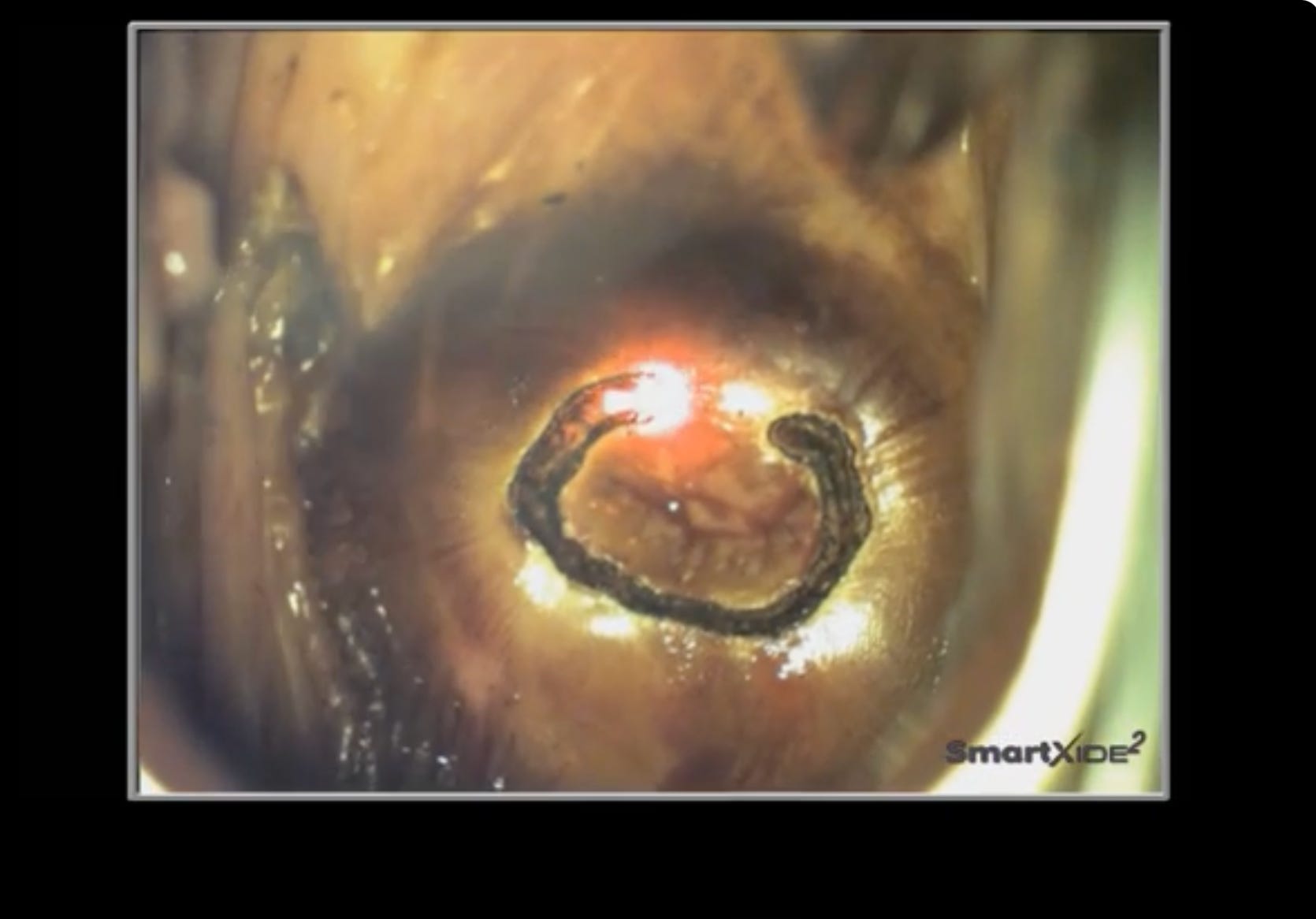
During that time, I also had laser surgery on my cervix. My Pap smears had come back abnormal, and the cells were precancerous. I was sent to the gynecologist who had treated my mother and my aunt, the doctor who had given both of them full hysterectomies in their forties.
I don’t remember any anesthesia. I remember the pain, which was searing. And I remember the doctor, a patronizing man who described the burning of my cervix in football metaphors. Every time the pain made me ask for a time out, I could feel his frustration growing.
My pain was an inconvenience to the man causing it. Under the focused beam of the laser, parts of my cervix were being burned away. Annihilated, so completely that nothing was left to send to pathology. No one would ever know whether those cells had already crossed into cancer.
As all of this was happening to my body, I was living in terror of humanity destroying the earth.
That summer, my body was Mother Earth.
I was the earth, lasers burning my most tender inner places. The cervix, the neck of the womb, is the narrow passage between inside and out, the gateway for life. That threshold was what he was scorching.
Within the cervix there is a meeting place, where two kinds of cells come together. It is called the transformation zone. Like the ecotone where prairie meets forest, it is a place of constant change, and of great vulnerability. It is where abnormal cells often begin. It is what the laser was aimed at.
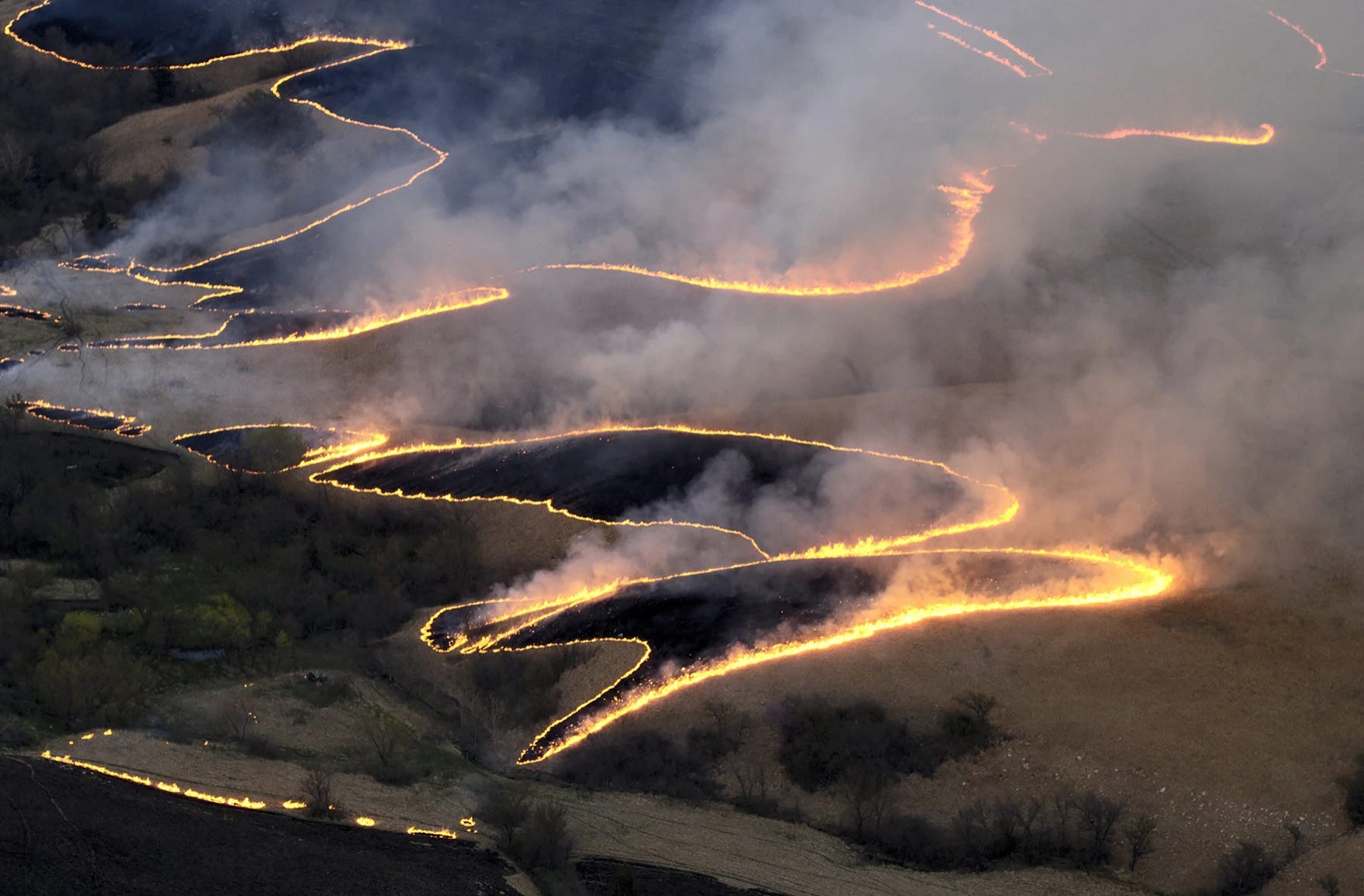
I couldn’t name it consciously, but I felt it: the destruction I feared out there was happening here, inside of me. It was all connected.
Only much later did I learn I had been lying on the leading edge of a change in women’s health care. In the 1980s, carbon dioxide lasers became the new standard for treating precancerous cervical cells. They let doctors treat the cervix in an office visit instead of a hospital operating room. But a new tool tends to get not just used, but often overused, sometimes on women whose abnormal results might have cleared on their own.
That day on the table started me down a long road of learning. The following spring, in a British Philosophy class in London, I would write about how philosophy shaped the developing fields of obstetrics and gynecology. We read Hobbes, Locke, and Hume. I wrote about what happened to childbirth in eighteenth-century Britain. As medicine grew more “scientific,” male physicians called man-midwives took over birthing from the women who had always attended it. The men claimed authority through anatomy, observation, and new instruments like forceps. Women’s knowledge of their own bodies, and other women’s knowledge of them, was pushed aside. I was tracing the roots of the gynecology tradition I had met on that table, my feet in stirrups, my flesh burning.
Also that spring, during my semester abroad, I spent hours outside with field guides, learning the flora of Britain. I sketched the flowers I found, and I spent long hours with Wordsworth and other poets that wrote of this lush greenness. On those walks,
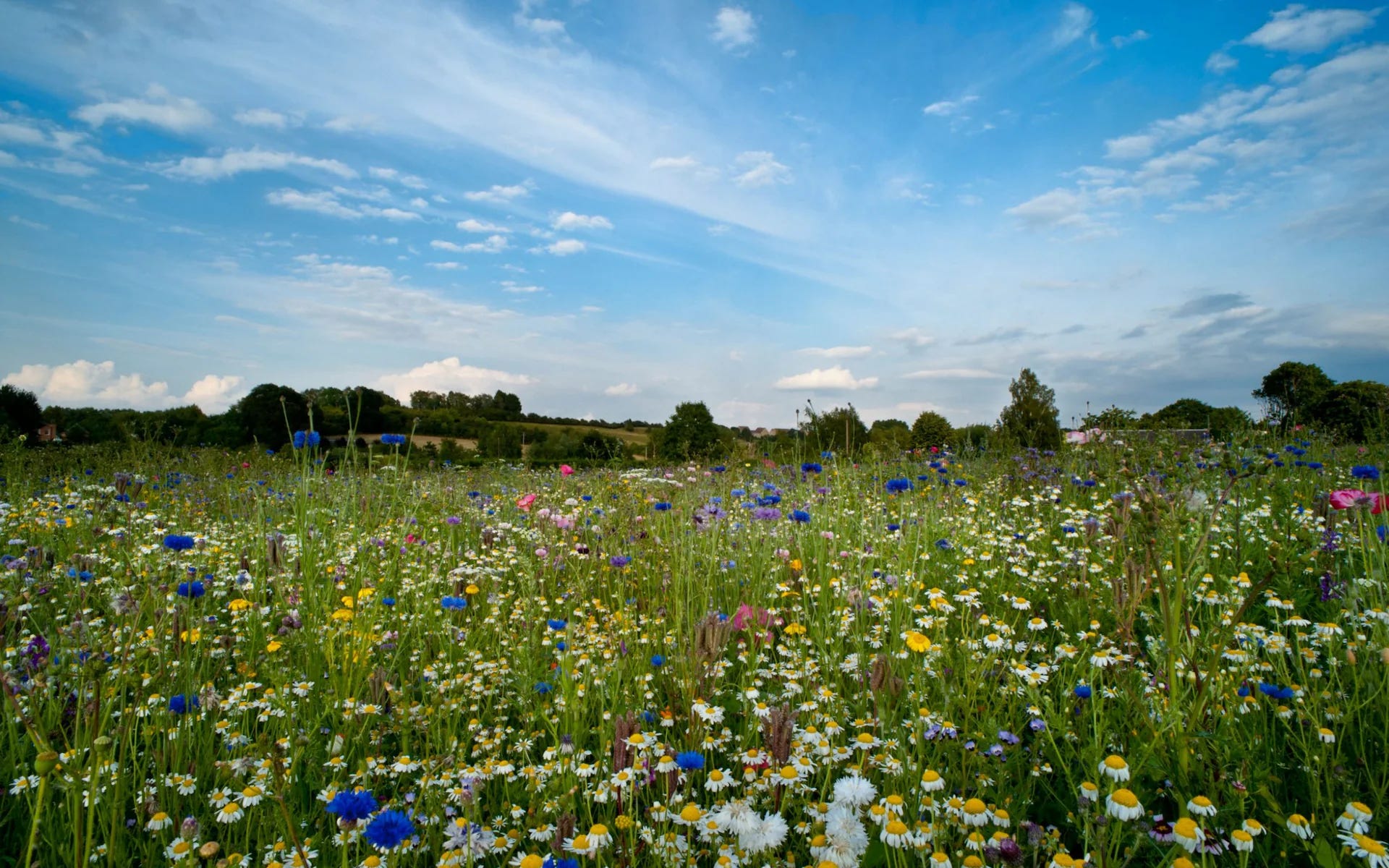
all that green began to heal what Schell’s book had left parched. Learning a plant’s name meant crouching close, noticing the shape of a leaf, counting the petals. Sketching slowed me down even more. The poetry did something the field guides couldn’t. It invited a different kind of knowing, one where a flower was not a specimen but a presence to be met. Each name, each drawing, each poem was a small act of attention. A relationship.
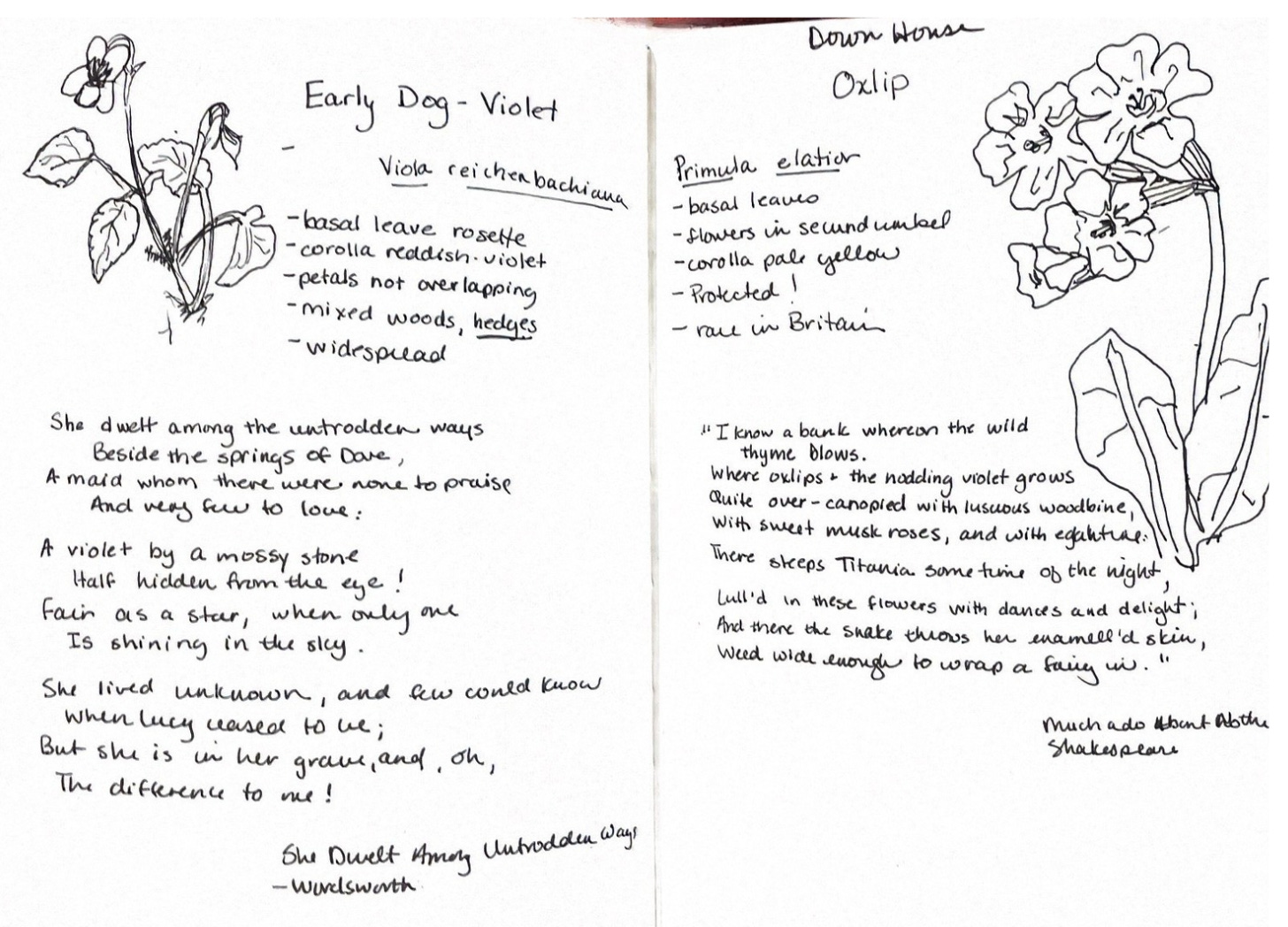
I studied Carl Linnaeus, the eighteenth-century Swedish botanist whose two-part Latin names we still use. He sorted plants by counting their reproductive parts. Every flower became a body to be examined.
There is control in that kind of naming: the urge to catalog and sort. It’s not so far from a doctor narrating a woman’s body as a football play. I wondered if the naming itself was the harm? When I learned a wildflower’s Latin name, was I part of the same team as the man with the laser?
I don’t think the harm lives in the names. It lives in the approach. One way wants control. It divides and labels. Another longs for connection. It kneels close and lets itself be changed. Naming as an act of intimacy, a refusal to let a living thing stay anonymous.
Robin Wall Kimmerer is a botanist who knows plants both by their Latin names and as kin. In Indigenous ways of knowing, she says, we learn from nature, not just about it. When we speak the names of flowers, trees, and animals, what matters is whether we speak as masters or as kin, and whether we take up the responsibility kinship brings.
My body, too, had names. Uterus. Cervix. Neck of the womb.
Mine.
The previous summer, my body was Mother Earth, burned.
But the following spring in Britain, I was Mother Earth too, this time attended to.
The earth and my body were one again.
Both are true. I was the wounded earth, and I was the green, flowering earth that April and May. One does not cancel the other. I have spent most of my life in that between place, and it is still where I feel most alive.
When I kneel in my prairie garden and give a plant my whole attention, I am praying. Simone Weil knew this. And that is where hope often arises. Not from the will to save the world, which nearly broke me that summer, but from the meeting itself and the quiet sense of being met.
The dread still finds me some nights. So does the hope. Both are true.
I could feel your story...in my body
Thank you
Im still making friends with in between state. 🙃
This is a beautiful expression of your growth during those years! You are such a feeling young woman who has now come into her own. It is beautiful to watch your growth!